
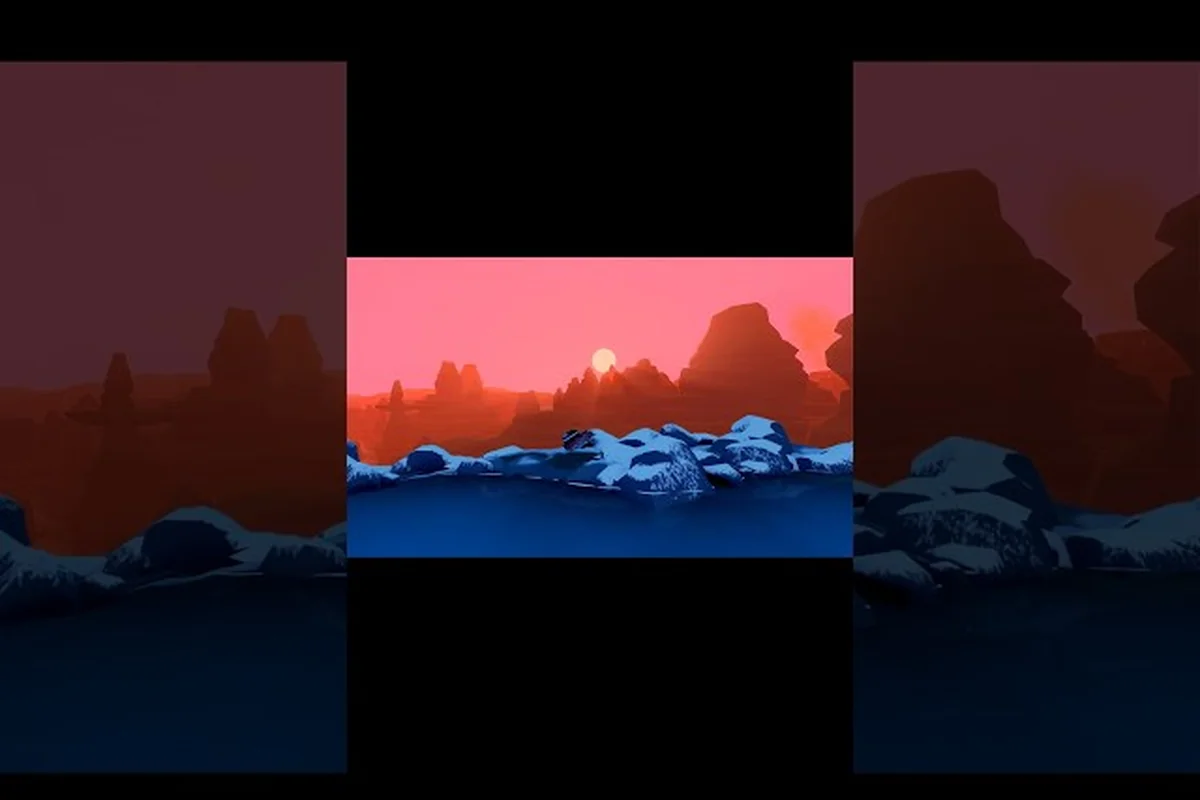
Spotting a falling meteorite in over the hill is one of the most quietly satisfying moments the game offers, but the over the hill wish upon a star achievement is also one of the rarest unlocks on the entire Steam list, sitting at roughly 4.9% of players as of the latest community data on the official over the hill on Steam page. The trigger is easy to miss because it depends on night-time sky conditions that many players simply never witness during a normal playthrough. This guide breaks down the timing window, the camera setup, and the related achievements you can chain during the same night session so the meteorite counts toward more than one unlock at once.
Understanding the Wish Upon a Star Trigger
The wish upon a star achievement fires the moment you frame a falling meteorite inside your camera viewfinder and snap a photo of it. It is a single-frame event — you do not need to develop the photo, frame it perfectly, or even zoom in. The act of pressing the shutter while a meteor trail is visible on screen is enough, and the achievement pops in real time without going through the compendium first.
| Trigger requirement | What counts | What does NOT count |
|---|---|---|
| Falling meteorite on screen | Any visible meteor trail inside the camera viewfinder at the moment the shutter is pressed | A meteor that has already left the screen before the shutter press |
| Camera state | Photo snapped in real time (compendium-free) — no need to develop, frame perfectly, or zoom | Developing an already-taken photo that happens to contain a meteor |
| Achievement unlock timing | Pops in real time, the instant the shutter captures the meteor trail | Waiting for the compendium to register the photo after the run ends |
| Completion rate among players | 4.9% of over the Hill Steam players have unlocked "Wish Upon a Star" | Higher-rate night achievements like Night Watcher (27.9%) or Morning Drive (22.1%) |
What the Meteorite Actually Looks Like
Falling meteorites appear as a brief diagonal streak of light against a dark sky. They last roughly one to two seconds, which is why so many players report seeing the flash but failing to register the unlock. The streak originates from a randomized spawn pool, so there is no fixed location, no fixed angle, and no fixed altitude at which you can reliably wait. Players who park in open clearings and look upward tend to have the best luck because fewer terrain silhouettes block the upper third of the sky.
The meteorite is distinct from in-atmosphere lighting effects. The full moon glows softly and never moves, while the meteorite is a fast bright streak with a faint trailing tail. If you see something slow and steady, it is almost certainly the lunar halo, not the trigger you need.
Why Most Players Miss It
Three structural reasons make this one of the rarest achievements in the game. First, it only spawns at night, and a large portion of the player base drives through the wilderness during daylight hours because the golden hour lighting is more forgiving for photography. Second, the visual window is short enough that casual players often fail to react. Third, several players have reported in the Steam Community discussions that they saw the streak but were inside their vehicle at the time, with the camera stowed, and the shutter was never registered.
| Barrier | Why It Causes Misses | Practical Fix |
|---|---|---|
| Night-only spawn | Daylight players never see it | Plan a dedicated night drive during a single session |
| 1–2 second window | Reaction time often too slow | Keep the camera out the moment the sky darkens |
| Camera stowed in vehicle | Many players keep the camera in their pack | Exit the vehicle before 21:00 in-game |
| Bright headlight glare | Washes out the upper sky | Angle away from the moon and switch to low beams |
Achievement Tier and Rarity
Community achievement data shared on the official Steam stats page lists wish upon a star at 4.9% completion, which places it firmly in the bottom tier of unlocked achievements. By comparison, making memories sits at 7.4% and golden hour at 7.9%. This tells you the meteorite trigger is meaningfully rarer than the standard wildlife and lighting achievements, not just a different category of event. Players who want a near-complete compendium should plan for several nights of attempts rather than expecting a single drive to land the streak.
Preparing Your Camera and Vehicle for Night Shooting
Camera readiness matters more than driving skill for this unlock. Because the meteorite spawns at a randomized point in the night sky, you want the camera out of the pack and the viewfinder ready before the first meteor has a chance to appear.
Camera Settings That Help
There is no explicit exposure slider exposed in the camera UI, but community testing suggests that a parked stance on flat ground with the camera held at chest height produces the cleanest frames. Zooming in is not required and can actually reduce your field of view, making it harder to catch a streak that spawns off-axis. The wider the lens, the more sky you cover per second of attention.
A small but important detail: the in-game camera does not have a flash unit, so night photos will be darker than what you see on your screen. The achievement fires on the act of pressing the shutter, not on the resulting photo quality, so do not wait to confirm the streak through the viewfinder before clicking. Trust your peripheral vision and press the shutter the moment you see a bright diagonal.
Vehicle Positioning Tips
Where you park is a bigger factor than where you drive. Open clearings near the edges of biomes — where tree cover thins and the horizon line is lower — give you the largest visible sky arc. Valleys and canyon runs are popular because the steep walls frame the sky and reduce the total area you need to watch. If you want to chain this with a related unlock, parking on a ridge that overlooks a valley lets you catch the meteorite and the sunrise in the same session, which covers both night and morning goals.
Community advice repeatedly suggests exiting the vehicle entirely when waiting for sky events. While inside the cabin, the camera is holstered, and the time it takes to bring it up can cost you the entire 1–2 second window. Standing beside the vehicle with the camera already in hand cuts that reaction time nearly to zero. For players who want a fuller walkthrough of the early hours that lead up to this point, the over the hill beginner guide covers the basic camera and driving loop in more detail.
Chaining Related Night and Time-of-Day Achievements
The over the hill wish upon a star achievement fits into a small cluster of night-and-sky related unlocks, and the right session can pull several of them in one run. Planning ahead turns a single late-night drive into a multi-achievement haul.
The Full Night Cluster
The achievements that pair well with the meteorite are time-of-day dependent. The complete cluster is: night watcher, morning drive, golden hour, wish upon a star, and the supporting rare encounter and a tale come true unlocks. Each one requires a different sky state, and most of them can be collected in a single overnight drive if you time your stops correctly.
| Achievement | Trigger | Best Time Window | Pairing Priority |
|---|---|---|---|
| Night Watcher | Photograph a nocturnal animal | After 22:00 | High — same night |
| Wish Upon a Star | Spot a falling meteorite | 22:00–04:00 | Primary goal |
| Golden Hour | Witness a sunset | 18:00–19:30 | High — same evening |
| Morning Drive | Witness a sunrise | 05:30–06:30 | High — next morning |
| Under the Stars | View the night sky clearly | Any night hour | Easy — passive |
| A Tale Come True | Story milestone | Story-gated | Play through normally |
Sequencing a Single Session
A clean chain starts around 18:00 with a golden hour drive toward an overlook. Park for 10–15 minutes and let the sky shift into the warm sunset palette the trigger requires. Then continue driving after dark, stop in an open clearing, and dedicate 30–45 minutes to waiting for the meteorite while keeping the camera ready. During this window, any nocturnal wildlife crossing your headlights will tick the night watcher trigger, so a quiet parked session doubles as a wildlife photography opportunity. Finally, end the session by finding a ridge facing east and waiting for the sunrise, which fires the morning drive unlock.
If you want a deeper breakdown of how to position yourself for nocturnal animal photography during the same night session, the over the hill animal photography guide covers spawn windows and clearing placement in more depth, and pairs naturally with the night watcher trigger.
The Rare Encounter Sub-Trigger
The over the hill rare encounter achievement is technically separate from the meteorite, but it overlaps with the same time-of-day logic. Rare animals are most active during the dawn and dusk hours, which means a session designed around the meteorite already covers most of the spawn windows you need. If the rare animal happens to walk through your clearing while you wait for a streak, you can pick up both unlocks from the same parked spot.
The over the hill a tale come true achievement sits in a different category entirely. It is story-gated and triggers automatically as you progress through the main path, so it does not require any specific time-of-day or location setup. The only real planning tip here is to make sure the story milestone is queued up before you park for the night, because the cutscene can shift the in-game clock and ruin your carefully staged timing.
Common Failure Modes and How to Avoid Them
Even with the right plan, several predictable issues can ruin a meteorite attempt. Knowing the failure modes in advance saves you from losing an entire night session to a preventable mistake.
Time-of-Day Drift
The biggest threat to a chained session is the in-game clock advancing faster than you expect. Long driving segments, especially in fast vehicles, can blow past the night window before you are ready to park. Players report in the Steam Community FAQ thread that they lost entire chains because they lingered too long on a sunset and missed both the meteorite and the sunrise.
The fix is to set explicit anchors. Pick a golden hour start time, a meteorite start time, and a sunrise start time before you leave the cabin. If you are running late on any one of them, skip ahead and prioritize the rarest trigger — the meteorite — because the sunrise and sunset repeat every in-game day, while the streak is genuinely random.
Camera Stowed in Vehicle
This one comes up constantly in player reports. The default behavior of the camera is to stow when you enter the vehicle, and the act of pulling it back out takes a second or two of animation. Combined with the 1–2 second meteorite window, that animation eats almost your entire reaction budget. The fix is simple but requires discipline: every time you exit the vehicle, pull the camera immediately and keep it out for the rest of the night. Do not put it away between stops.
Mistaking the Lunar Halo for a Streak
The moon in over the hill has a soft circular glow that can, under certain viewing angles, look like a slow-moving bright spot. Players who have been driving for hours in the dark sometimes misread the lunar halo and press the shutter at the wrong moment. This does not waste the achievement — you can still get the streak later — but it costs attention and breaks the rhythm of an otherwise clean night session. Train your eye to ignore the moon and focus on diagonal motion in the upper third of the sky.
Audio Misleading You
The game does not have a dedicated audio cue for the meteorite, but a sudden bird call or distant insect chirp can pull your attention downward at the exact wrong moment. Veteran players recommend muting the cabin audio or lowering ambient sound effects during a dedicated meteorite session so peripheral noise does not interrupt your sky scan.
Step-by-Step Walkthrough for a Reliable Attempt
A reliable meteorite run takes about 90 minutes of real time and can be slotted into a single evening session. The structure below assumes you have already completed the early game tutorial and have access to a vehicle, a camera, and at least one open biome crossing.
Phase 1: Pre-Night Setup (15 minutes)
Start the session in the late afternoon, ideally around 16:00 in-game. Drive to your chosen golden hour overlook and confirm the angle. Take a few test shots of the horizon so the camera is calibrated and your inventory is open. Make sure you have at least 20 free photo slots — the achievement is one shot, but you will likely waste several frames on the lunar halo and ambient wildlife. Drive slowly to your chosen night clearing afterward, and arrive by 20:00 to give yourself a buffer.
Phase 2: Meteorite Wait (45 minutes)
Park in the clearing, exit the vehicle, and pull the camera immediately. Stand facing whichever direction gives you the widest sky arc — east-facing ridge lines and central valley flats are the most common picks in player reports. From here, watch the upper third of the sky continuously. Do not zoom in. Do not aim at the moon. If a nocturnal animal walks through your field of view, snap it for the night watcher trigger, then return your attention to the sky. Repeat for the full 45-minute window. The streak will fire when it fires, and the only controllable factor is keeping the camera out and your eyes up.
Phase 3: Sunrise and Wrap-Up (30 minutes)
Around 04:30 in-game, leave the clearing and drive toward an east-facing ridge. The morning drive achievement requires witnessing a sunrise, which means positioning your vehicle so the sun is visible above the horizon line. Park, take at least one photo of the lit horizon, and confirm the unlock. After sunrise, you are free to continue exploring or return to base.
If a final clean-up pass is needed — for example, a rare animal you have not yet logged — the over the hill 100 percent collectibles guide covers the broader completion loop that frames this kind of session.
Frequently Asked Questions
How long does it take to get the over the hill wish upon a star achievement?
Most players who plan a dedicated night drive land the streak within one to two sessions, with each session lasting about 90 minutes of real time. Random chance still plays a role, so a small percentage of players report needing three or more attempts before the trigger fires.
Can I get the wish upon a star achievement while driving?
No. The camera is stowed while you are inside the vehicle, and the shutter cannot be pressed during transit. You need to be on foot with the camera out and the viewfinder active when the streak appears on screen. This is the single most common reason the unlock fails, because the temptation to keep driving is strong.
Does the photo need to be good quality for the wish upon a star achievement to count?
No, the achievement triggers on the act of pressing the shutter while the streak is visible. The resulting photo can be blurry, underexposed, or framed against a wall, and the unlock will still fire. Quality only matters if you are also trying to log a clean compendium entry, which is a separate objective.
Is the meteorite tied to a specific biome or location?
No official biome restriction has been confirmed, and player reports cover sightings across valleys, ridges, and open plains. The trigger is more reliable in areas with low tree cover and a clear view of the upper sky, but it is not locked to a single map region.
Can I chain the wish upon a star achievement with the under the stars achievement?
Yes, in fact the over the hill under the stars achievement is one of the easiest pairings. Because the meteorite requires a clear night sky, any session that successfully triggers the streak has already satisfied the visual conditions for the under the stars unlock. The two are commonly reported as a same-night double unlock by players working through the night cluster.