
Guides
Beginner-to-advanced Over the Hill play help: controls, low and high range, damage and repair, route reading and the order to take the regions in.
Introduction
Over the Hill asks you to slow down rather than drive fast, so a guide here is less about shaving seconds and more about not burying a truck axle-deep in a bog an hour from the nearest cabin. The game hands you a vintage 4x4, a hand-built slice of countryside roughly four kilometres square, and almost no instructions beyond the tutorial trail. What follows covers the habits that actually matter: which range to sit in, how damage and repair kits interact, how to read a trail before you commit, and how to keep a route moving when the weather turns. Everything is written so a first-time offroad player can follow it, with shortcuts flagged for anyone arriving from other slow-driving sims.
Over the Hill Guide Map
| Focus | What It Covers | Why It Matters | When To Read |
|---|---|---|---|
| First hours | Controls, camera and map pins, finishing the tutorial trail, your first cabin | New unlocks recovery tools and fast travel | Before you leave the starting area |
| Terrain reading | Ruts, water colour, slope angle and how mud differs from snow | Grip tells you whether a line is possible long before you commit | As soon as you meet deep mud |
| Damage and repair | Repair kit economy, bodywork condition, winch recovery | A damaged truck loses performance before it stops moving | After your first hard impact |
| Route planning | Cabins, merchants, area exits and fast travel points | Turns a dead end into a short detour | Before crossing into a new area |
| Completion | Challenge trails, compendium entries, region checklists | Most of the 62 achievements hang off this loop | Once the basics feel automatic |
Guide Tracks
First Hour Essentials
What to do before you wander off the marked route
Low Range Discipline
The single habit that prevents most stuck vehicles
Reading A Trail
Judging a line from the driver's seat instead of the bonnet
Completion Path
How the 62 achievements and region checklists fit together
Completion Loop
Challenge trails, compendium entries and region checklists
Core Mechanics
The core loop is route planning, obstacle solving and discovery rather than speed or score. You pick a direction, meet terrain the truck cannot simply drive over, and then solve it with the kit you are carrying: the winch pulls you out of water or up a ledge, planks bridge gaps and soften ledges, and repair kits restore condition after impacts. Cabins act as fast travel points and resupply stops, merchants handle colours, accessories and cosmetics, and area exits let you drive from one four-kilometre slice of countryside straight into the next without returning to a menu. A day and night cycle plus shifting weather keeps rearranging the roads you thought you knew, so the same trail is a different problem on a wet evening than on a dry morning.
Advantages
Over the Hill is unusually forgiving for an offroad game, and that is the point: a rolled truck is a puzzle rather than a failure state, so you can experiment with lines knowing a winch or a repair kit will usually get you moving again. Progress is about capability, so upgrades and equipment you find in the world permanently widen the terrain you can clear, and finding them happens through exploration rather than a shop menu. Co-op follows the same philosophy with each driver banking their own progress, which means a session with friends never feels like wasted time for anyone in the convoy. The pacing also suits short sessions, because cabins and fast travel points let you stop wherever the view is good and pick the trip up later.
Challenges
The relaxed approach cuts both ways: players arriving from punishing offroad sims often find the difficulty thin, since flipping a truck rarely costs more than the time it takes to recover it. Damage and repair kits are limited, but if you carry spares you will seldom feel genuinely threatened, and the strongest challenges are concentrated in optional challenge trails rather than the main loop. Certain recovery and repair objectives can also be awkward to finish alone if you lose the vehicle you needed, which is one of the few complaints that appears repeatedly in player reviews. As a launch-window game it is also still settling, so balance, performance and content expectations should all be treated as a moving target.
Frequently Asked Questions
Do I need to play Over the Hill in co-op to finish it?+
How long does a first playthrough actually take?+
What is the best order to work through the regions?+
Quick Tips
If a slope keeps beating you, stop attacking it from the same angle. Back off, approach on a diagonal where the ruts run with you rather than across you, and keep the wheels turning slowly instead of charging and losing momentum halfway up the face. A slow crawl that keeps the wheels turning beats a charge that ends in a stall nine times out of ten.
Carry more repair kits than you think you need and use them earlier than feels necessary. Condition loss degrades performance gradually, so a truck that still drives can already be climbing badly, and topping it up at the first sign of damage is far cheaper than a full recovery job. The habit compounds: the earlier you top up, the less time you spend recovering a truck you could still have driven.
Log cabins and merchants on the map the first time you see them, even if you do not need anything at that moment. They are your fast travel network, your repair and resupply points, and the difference between an hour-long detour and a thirty-second hop across a region. A region where you already know three cabins feels completely different from one where you know none.
When the weather turns, treat known roads as unknown. Rain and snow change grip enough that a trail you cleared confidently in the dry can stall you completely, so either wait it out, drop into low range and crawl it, or pick the longer route you already mapped. Treat each forecast as a new map of the same ground, and you will stop being surprised by trails that used to work.
Featured
Over the Hill Beginner Guide: Your First Hour Off-Road
Start your Over the Hill beginner guide the right way with core driving basics, map reading, and what to tackle first in the 2026 open-world driving sim.
Over the Hill Guide: Walkthrough, Controls & Core Tips for 2026
Jump into the Over the Hill guide covering launch details, core controls, and the walking pace that turns this cozy Art of Rally follow-up into a scenic road trip.
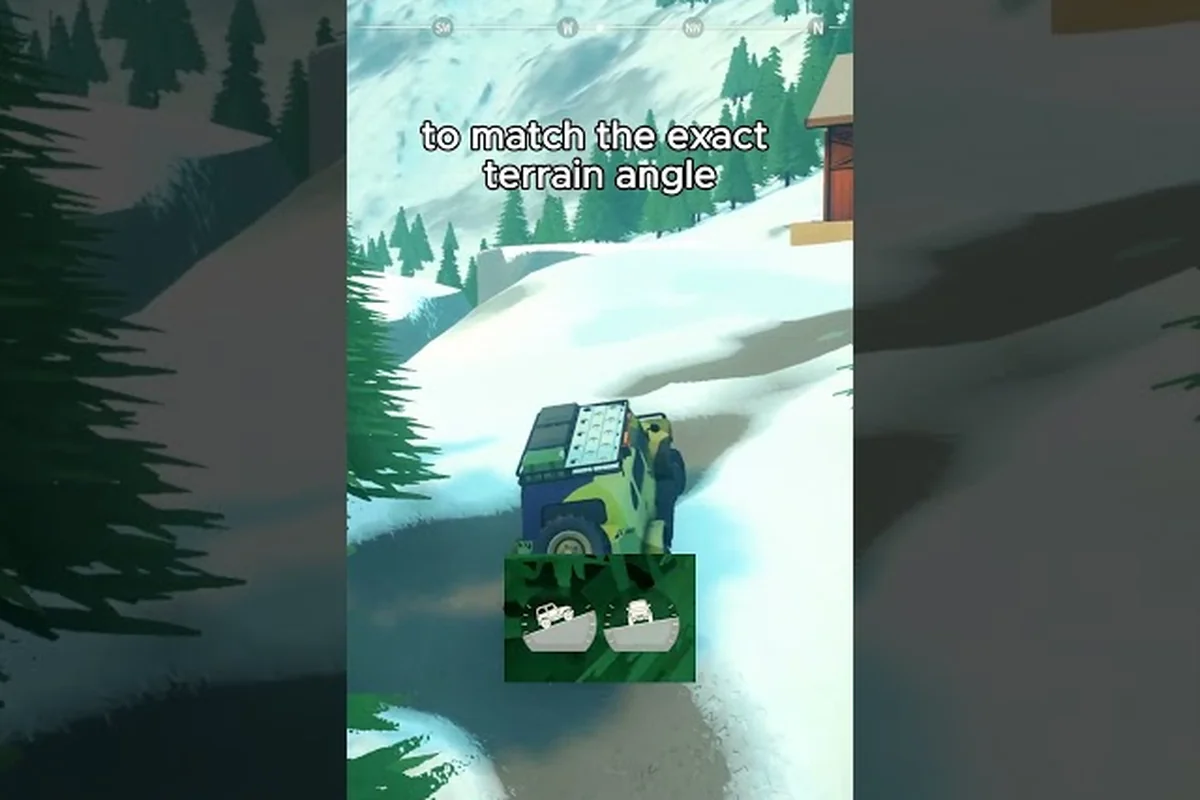
Over the Hill Progression Guide: Trail Order & Hours to Beat
Map your Over the Hill progression guide from your first trail to the final biome — best area order, what to unlock early, and a realistic hours-to-finish estimate.
All Articles
Over the Hill 100 Percent Completion Guide: Full Checklist
Clear the Over the Hill 100 percent completion guide with a full checklist covering every trail, wildlife photo, collectible, and challenge run for a flawless clear.
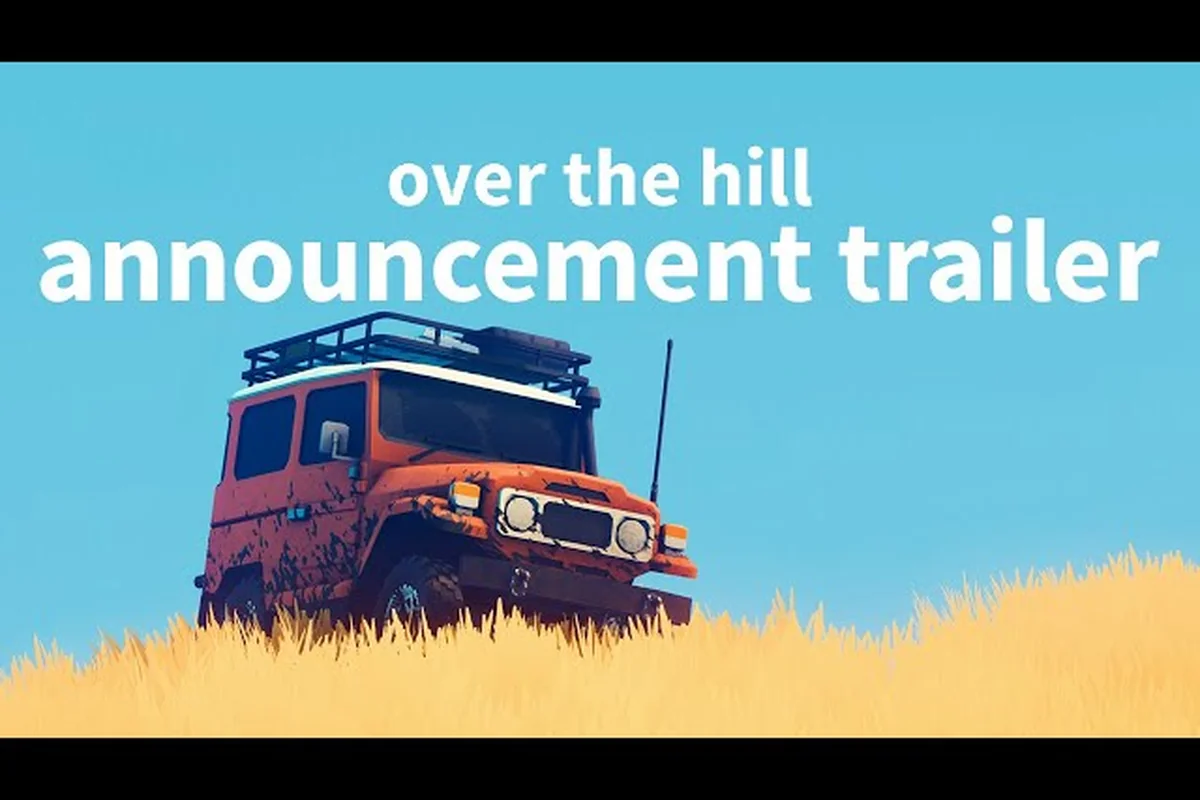
Over the Hill Full Game Guide: Solo Exploration Tips & Tricks
Get the Over the Hill full game guide for solo explorers — efficient routes, photography tips for the wildlife compendium, and how to soak up the $24.99 driving sim.
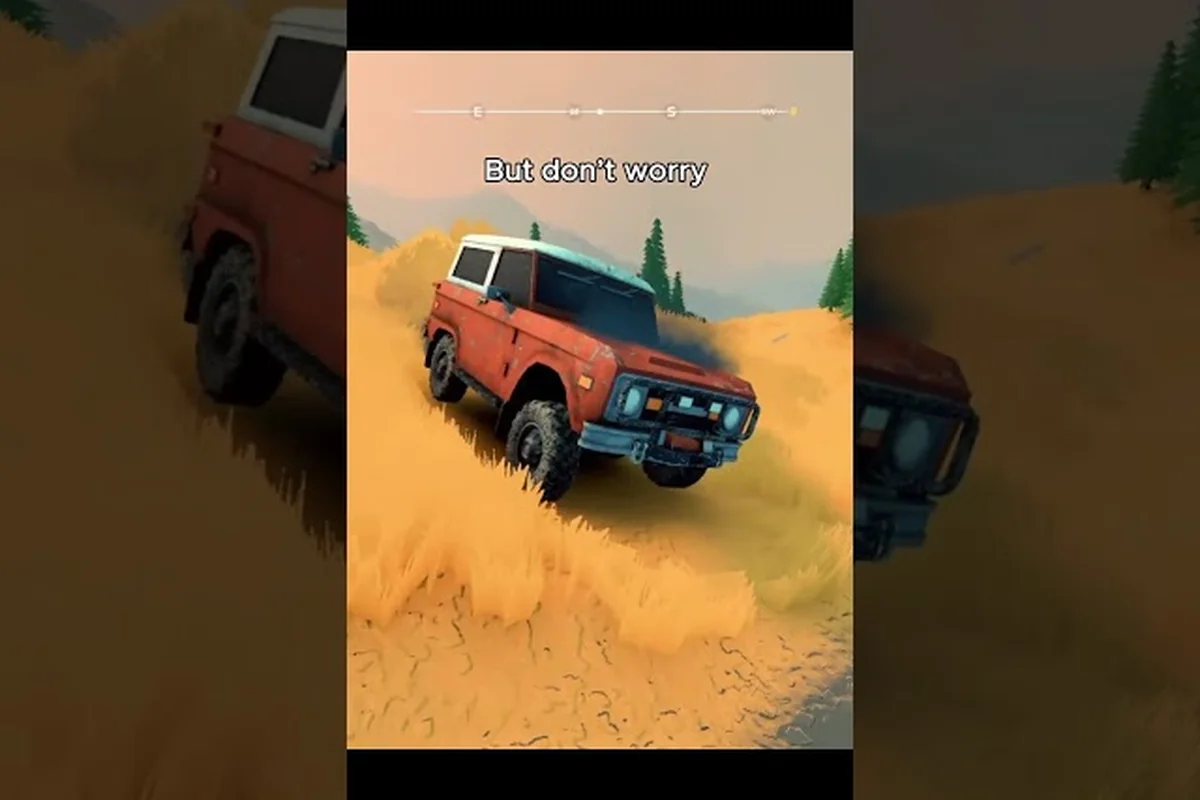
Over the Hill How to Repair Your Vehicle & Unlock Areas
Learn how to repair your vehicle in Over the Hill through the cabin system, unlock fast travel between regions, and keep your truck ready for every biome.
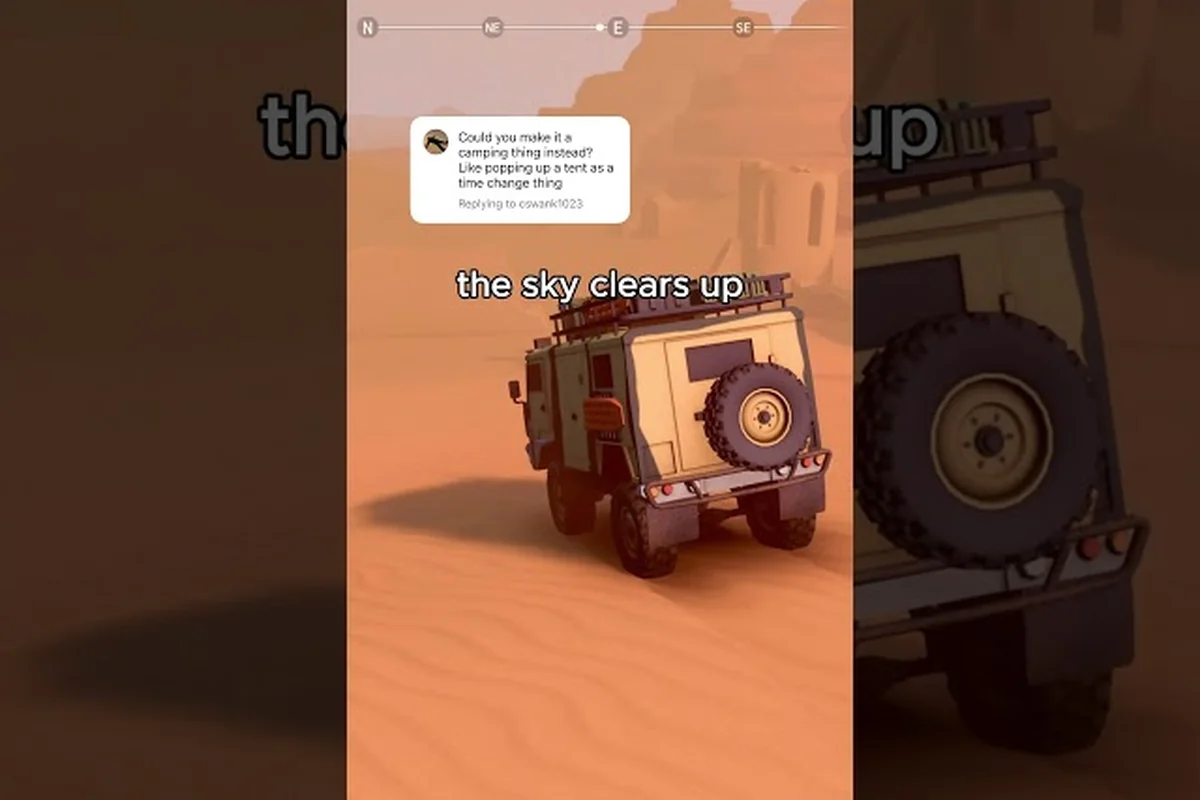
Over the Hill Tips for New Players: Controls & Gears
Get the Over the Hill tips for new players that actually matter — keyboard and controller basics, low vs high range, and early mistakes to avoid on rough terrain.
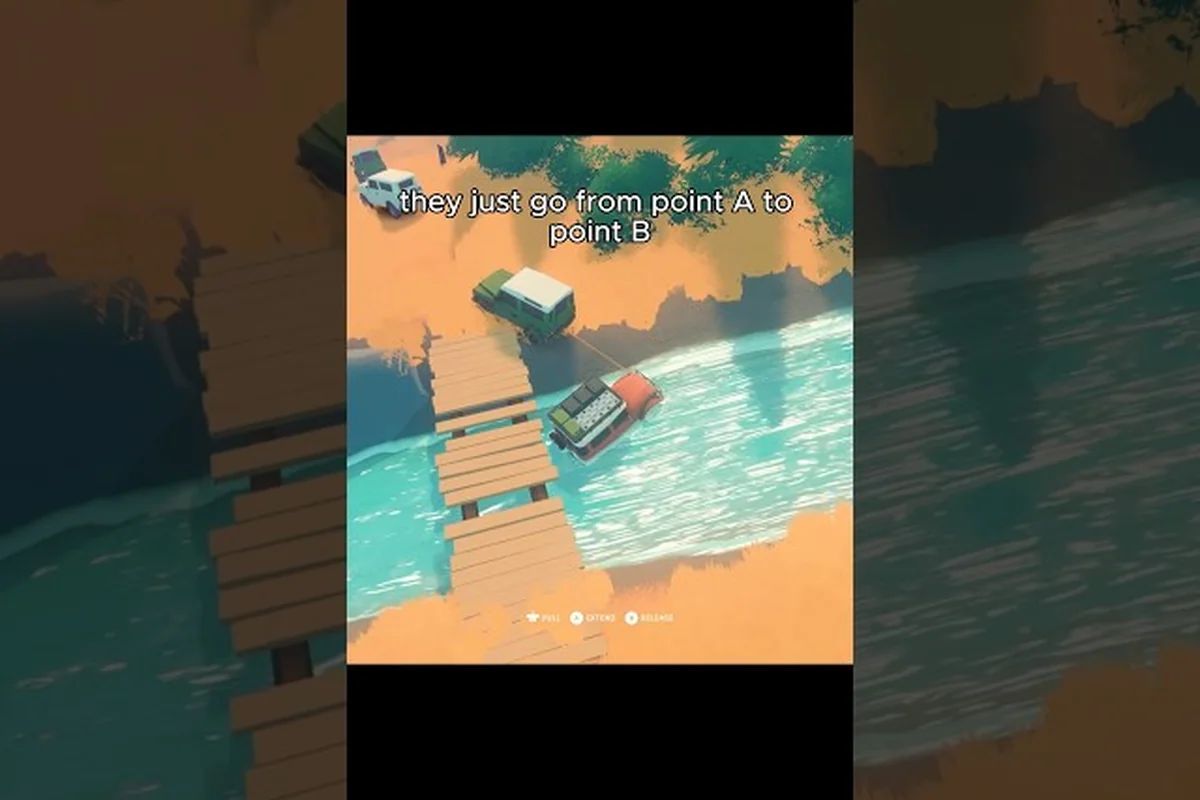
Over the Hill Navigation Guide: Weather, Night & Maps
Stay oriented with the Over the Hill navigation guide — handle night driving, shifting weather, and terrain cues so you never lose the trail.
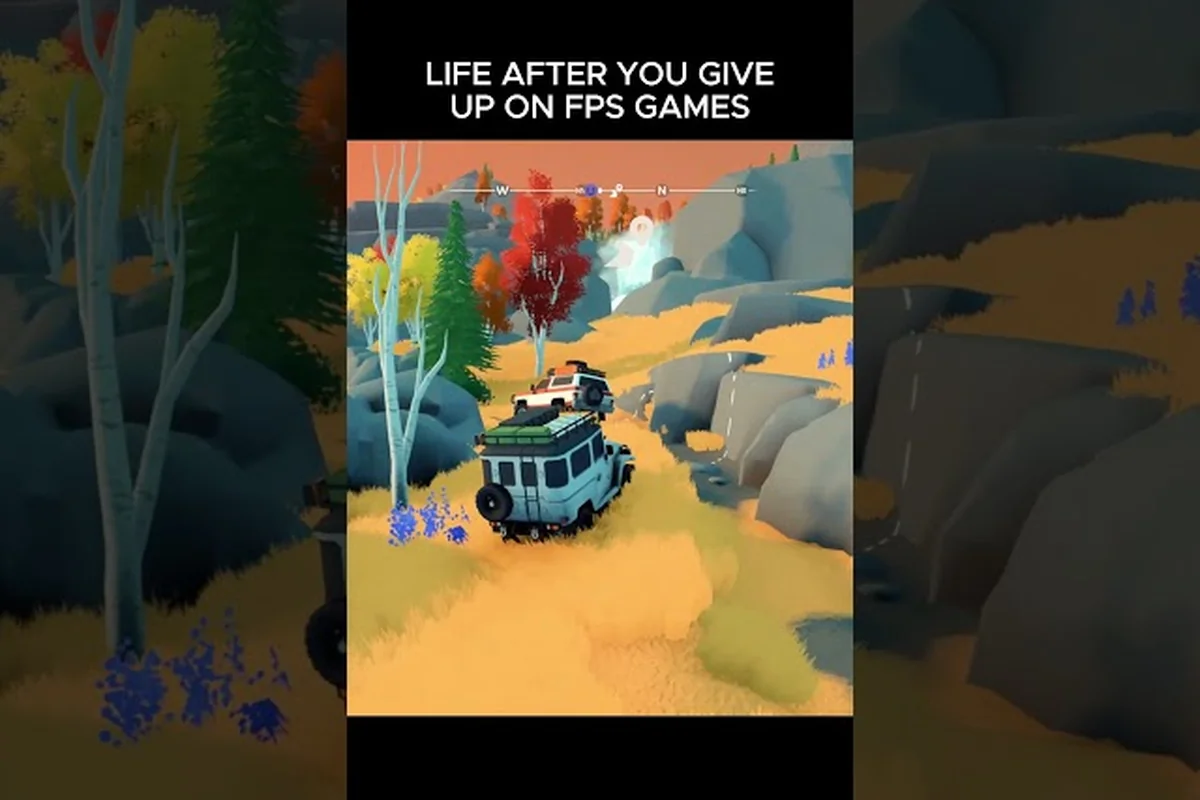
Over the Hill Hard Trails Guide: Routes & Advanced Tips
Conquer the Over the Hill hard trails guide with route planning, map reading skills, and the driving techniques needed for the toughest off-road ascents.
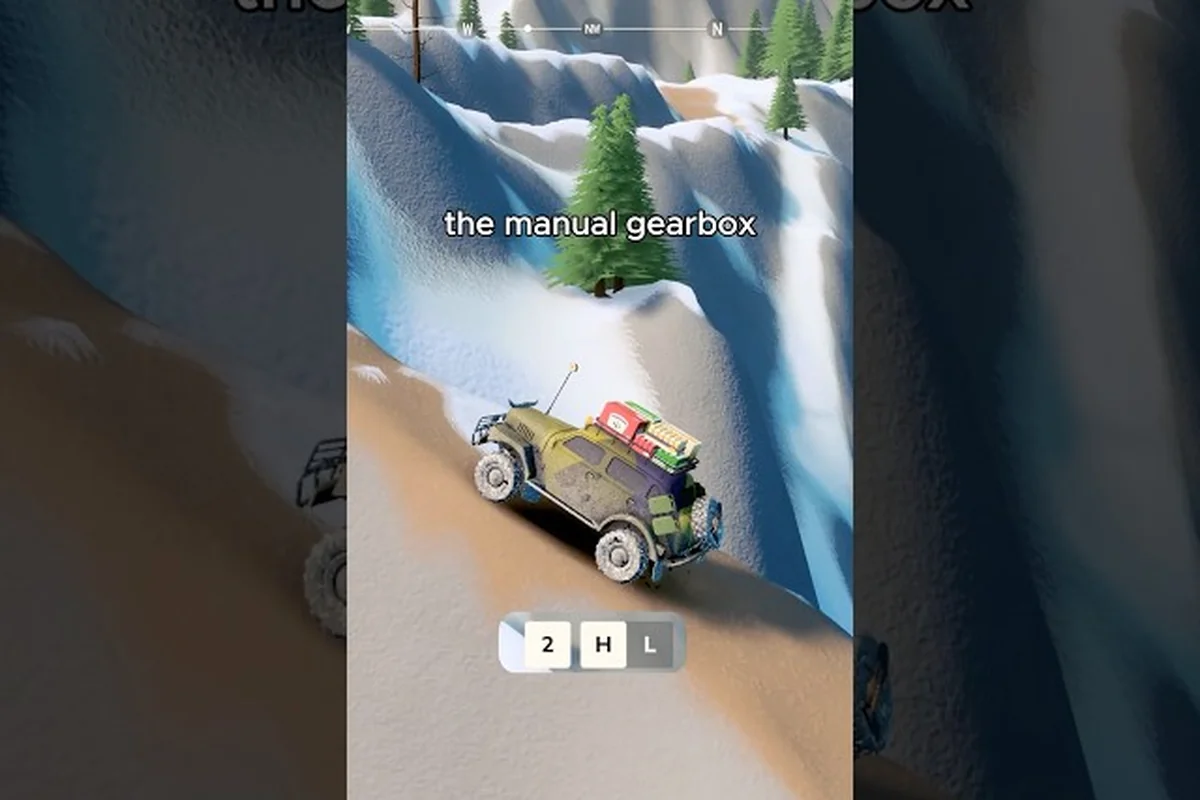
Over the Hill Gear Guide: Low Range, High Range & More
Master the over the hill gear guide essentials — when to shift your 4x4, how to keep momentum, and the techniques that prevent bogging down on steep trails.