
Wildlife
Wildlife compendium guide for Over the Hill: how the in-game camera works, how to approach animals without scaring them, and where nocturnal and rare entries appear.
Introduction
The in-game camera turns local wildlife into a regional checklist, and the compendium is the closest thing Over the Hill has to a completion goal beyond the achievement list. Photographing an animal adds it to that region's journal, and filling a set is tracked with its own award, which means the photographs are progress rather than decoration. The interesting part is the approach: engine noise and speed scare animals away, so the last stretch of every encounter is done on a coast rather than a charge. This section covers how the camera behaves, how to position yourself for a clean shot, when nocturnal species actually appear, how rare and legendary entries differ, and why landscape shots count towards the same habit.
Wildlife Compendium Reference
| Entry Type | When It Appears | Approach | Compendium Value |
|---|---|---|---|
| Common wildlife | Daylight, near water and open ground | Cut the throttle early and coast the last stretch | Common fills the baseline of a regional set |
| Birds | Dawn and throughout the day, often elevated | Stop fully before raising the camera | Rare separate award from mammals |
| Nocturnal species | After dark, low light | Headlights low, slow approach, patience | Epic tracked separately |
| Rare and legendary | Uncommon spawns, particular conditions | Long scouting, minimal engine noise | Legendary usually the last entries finished |
| Landscape shots | Sunsets, sunrises, long views | Stop somewhere scenic and compose properly | New rewarded separately from animals |
Compendium Groups
Daylight Mammals
The baseline entries you will fill without trying
Birds
Separate award, often elevated and easily missed
Nocturnal Species
Entries that only appear once the sun is down
Rare And Legendary
Uncommon spawns that most players finish last
Landscape Photography
Rewarded separately from the animal entries
Core Mechanics
Wildlife is photographed rather than hunted: the camera is the tool, and a successful shot adds an entry to that region's journal. The compendium tracks common, bird, nocturnal and rare or legendary categories, and several of these carry their own achievements, which makes photography part of the same progress loop as driving rather than a side activity. Approach mechanics are simple but strict: engine noise and speed scare animals, so the reliable technique is to cut the throttle early, coast the last stretch, and stop completely before raising the camera. A continuous day and night cycle means some species only appear after dark, and weather changes both the lighting and which animals are willing to be visible, so the same area yields different photographs at different times.
Advantages
Wildlife gives Over the Hill a completion goal that does not depend on driving skill, which is a genuinely different kind of objective in a game otherwise built around terrain and recovery. Because entries are tracked per region, progress is always visible, and the reward structure connects photography to the achievement list instead of leaving it as an optional extra. The approach mechanics also reinforce the game's overall mood: cutting the throttle and coasting the final stretch is a slower, quieter version of the same patience the rest of the game asks for. Photographing animals sits alongside scenic views, so a region rewards both the hunter and the sightseer with the same habit of stopping.
Challenges
The launch build does not publish a species list, so you are discovering what exists in a region by encountering it rather than working towards a known checklist, and community compendium lists are understandably thin this early. Rare and legendary entries are the ones most likely to frustrate, because their conditions are not spelled out and a run can end with nothing to show for a long drive. Night photography is slow by design, and because headlights need to stay low and speed low, a nocturnal session covers far less ground than a daytime one for the same time invested.
Frequently Asked Questions
How does the wildlife compendium actually work?+
Why do animals keep running away before I can photograph them?+
Where do I find the rare and legendary entries?+
Quick Tips
Photograph whatever you see immediately rather than saving it for a better angle. Animals leave, light changes and weather rolls in, and an imperfect entry in the journal is worth far more than a perfect shot you never took because you wanted to get closer. A rushed entry in the journal is worth more than a perfect shot you skipped because the animal looked too far away.
Do one deliberate night run per region with headlights on low and no particular destination. Nocturnal species only appear after dark, and the entries they carry are usually the reason a regional set stays unfinished long after everything else is logged. Nocturnal entries are usually what keeps a regional set open months after everything else is already logged.
Treat scenic viewpoints as camera stops, not just navigation aids. Landscape shots are rewarded separately from animals, so a detour to a ridge at sunset can advance the compendium at the same time as it gives you a landmark to navigate by. Composing from a viewpoint also gives you the landmark you will navigate by for the rest of that region.
When an area feels picked clean, change the time of day rather than the area. The day and night cycle changes which species are visible, so what looks like an exhausted region at noon often has entries waiting in the same square kilometres after dark. Same ground, different hour is the single most reliable way to move a stubborn compendium entry along.
Featured
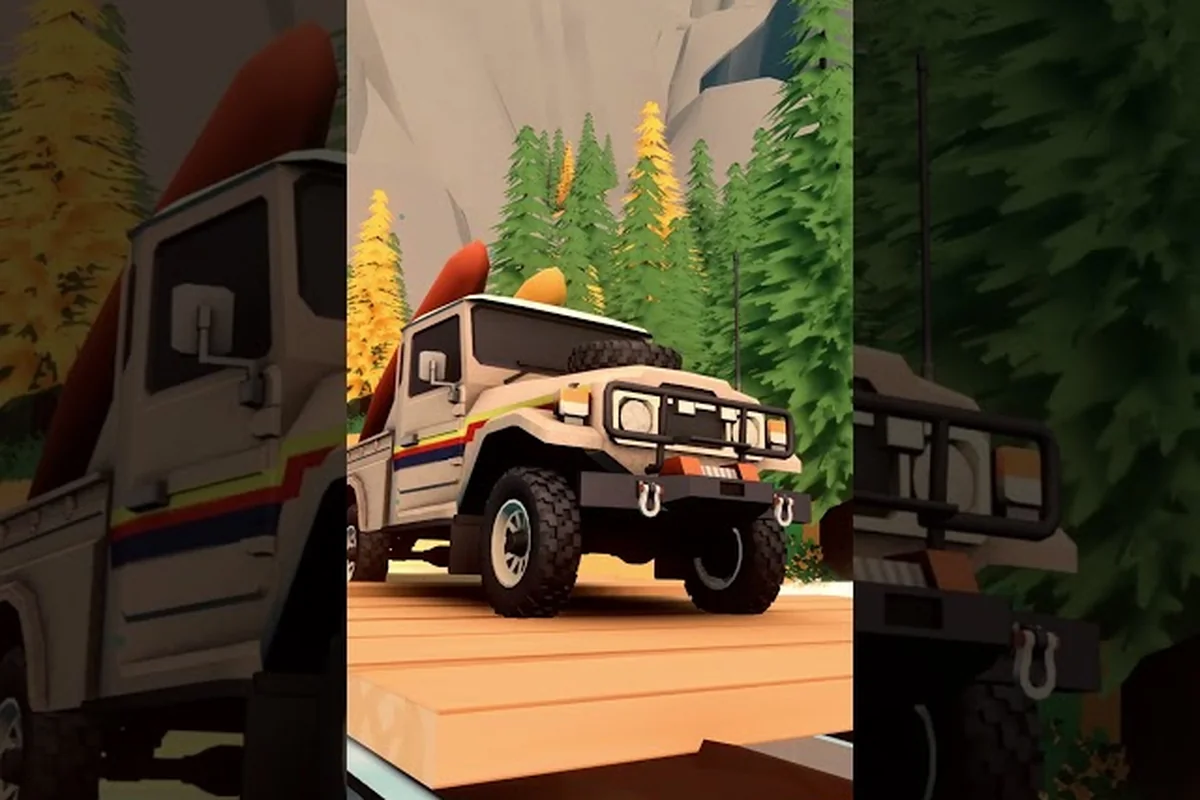
Over the Hill Photo Mode: Tips for Rare & Legendary Shots
Master the Over the Hill photo mode with photography tips for nocturnal animals, legendary creature spawns, and the best camera angles across every region.
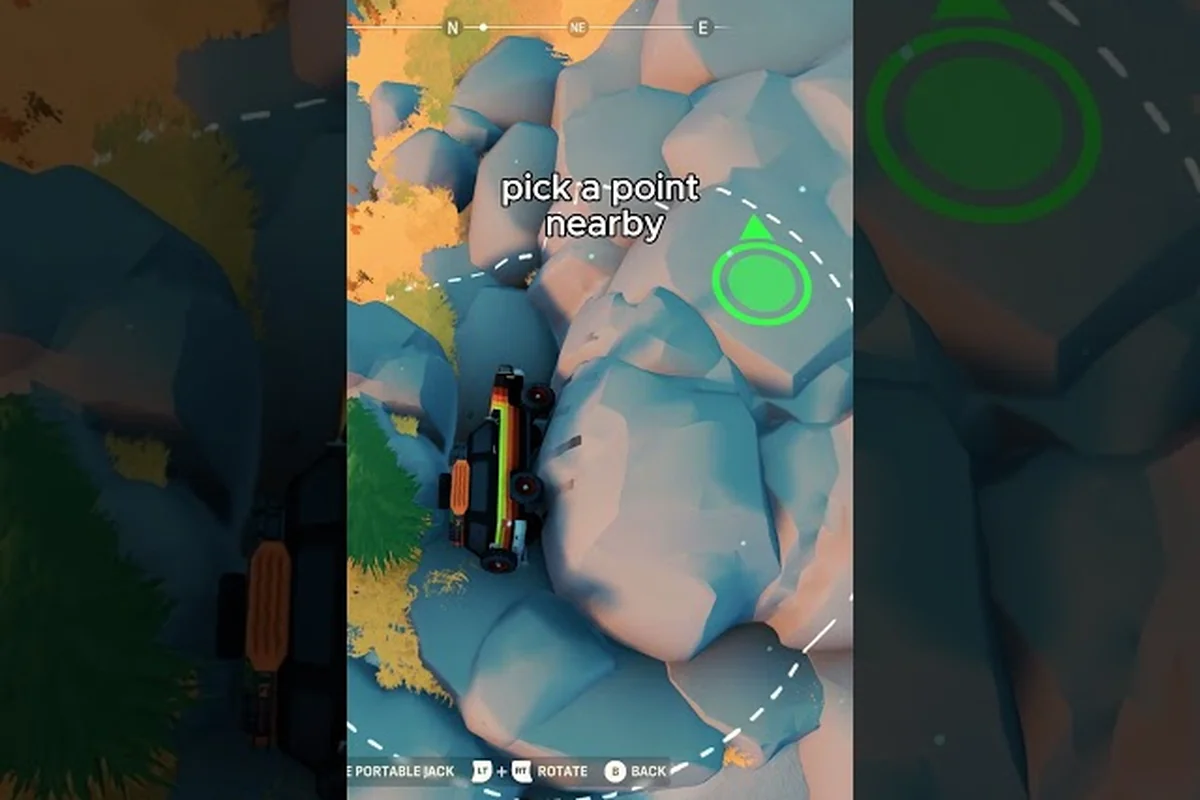
Over the Hill Wildlife Guide: Compendium & Animal List
Start the Over the Hill wildlife guide the right way — every animal in the compendium, how to photograph them, and camera tips for filling the journal.

Over the Hill Best Photo Spots: Sunsets & Wildlife Encounters
Discover the Over the Hill best photo spots for golden sunsets, close encounters, and shy animal behaviour so every shot feels like a magazine cover.
All Articles
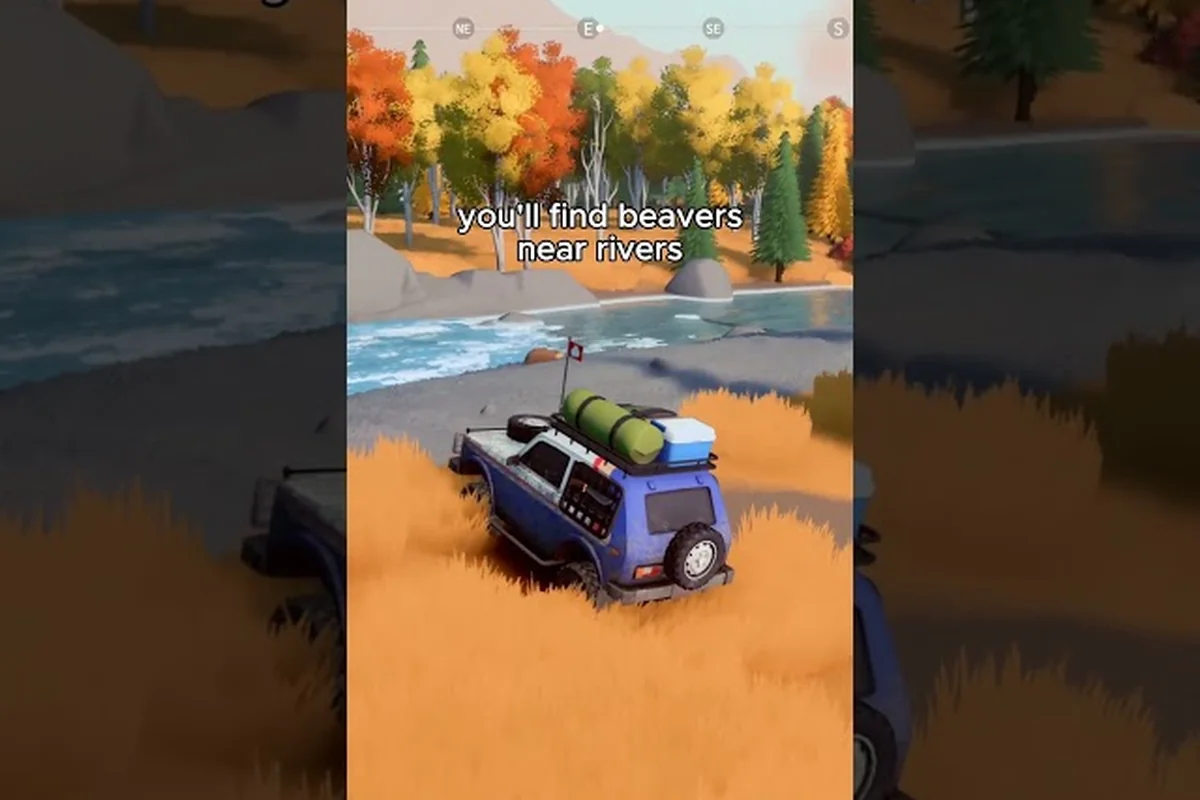
Over the Hill Birds List: All Species & Where to Find Them
Track the complete Over the Hill birds list with birdwatching spots and mammal locations so you can finish the naturalist compendium achievement.
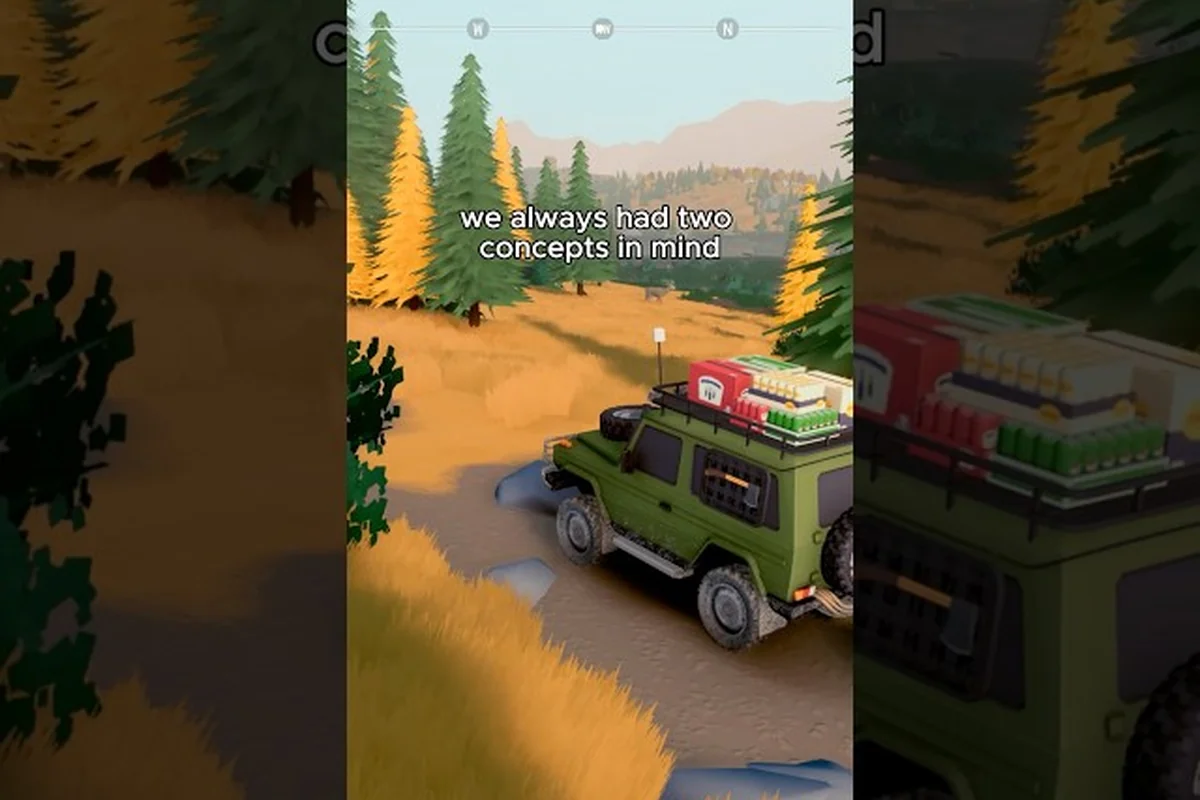
Over the Hill Animal Photography Guide: Spawns & Rewards
Level up your Over the Hill animal photography guide with spawn timing, rare creature tips, and compendium rewards that unlock the Night Watcher achievement.

Over the Hill Canada Wildlife: Every Animal & Photo Challenge
Browse the Over the Hill Canada wildlife roster against Algeria species, count total animals, and learn how to unlock the camera for photo challenges.