
Tools & Upgrades
Over the Hill tools and upgrade guide: winches, planks, repair kits and pebbles, plus the part and tyre upgrades that genuinely widen the terrain you can clear.
Introduction
Over the Hill is a game about solving terrain with the kit you brought, so the tools matter as much as the truck. A winch turns a dead end into a slow recovery, planks bridge gaps and soften ledges, and repair kits restore condition after the impacts that will inevitably happen on a slope you misjudged. Beyond the recovery gear sits the upgrade path: parts and tyres improve grip and durability, and a fully upgraded vehicle carries its own achievement, which makes upgrading a goal rather than an afterthought. This section covers what each tool is actually for, how the repair kit economy behaves, where pebbles fit, and how to spend upgrades so that the trails which stopped you last week become routine.
Tools & Upgrades Reference
| Tool | Primary Use | Where It Saves You | Notes |
|---|---|---|---|
| Winch | Recovery and assisted climbing | Water, ledges and rolled vehicles | Active also pulls teammates free in co-op |
| Planks | Bridging gaps and softening ledges | Short-wheelbase trucks stopped by an approach angle | Active limited supply per trip |
| Repair kits | Restoring vehicle condition | Deep in a region far from a cabin | Active finite, and can repair teammates too |
| Parts and tyres | Permanent grip and durability upgrades | Every climb you previously lost momentum on | New a fully upgraded vehicle has its own achievement |
| Cosmetics | Colours, liveries and accessories | Never for grip - purely how the truck looks | Common equipped at merchants and cabins |
Kit Breakdown
Winch
Your primary recovery tool and the reason a bad line is survivable
Planks
The quiet fix for gaps, ledges and approach angles
Repair Kits
Finite condition restoration you should use earlier than you want to
Parts, Tyres And Cosmetics
The permanent upgrade path versus the purely visual one
Cosmetics & Appearances
Colours, liveries and accessories that never touch performance
Core Mechanics
The tool loop is deliberately simple: recovery gear solves the obstacle in front of you, and upgrades change the set of obstacles you meet in the first place. A winch handles water, ledges and rolled vehicles, planks address gaps and approach angles, and repair kits restore condition that affects both appearance and performance, with all three being limited resources that you resupply at cabins. Upgrades are a separate, permanent track: parts and tyres raise grip and durability and unlock harder terrain, while cosmetics sit entirely outside performance and are equipped at merchants and cabins. Pebbles exist as a collectible resource with three milestone achievements attached at 100, 1,000 and 2,000, though player discussion around a respec option means their exact long-term use should be treated as unconfirmed rather than settled.
Advantages
Separating recovery tools from permanent upgrades keeps both relevant: you always have a reason to carry consumables, and you always have a reason to spend on your truck. Because kits and planks are finite, choosing when to use them is a real decision rather than a formality, and the winch means a mistake is usually recoverable, which encourages the experimentation that makes the terrain interesting in the first place. Upgrades giving a fully modified vehicle its own achievement is a neat touch, because it gives the path a visible finish line. Cosmetics being performance-neutral is genuinely player-friendly, since looking the way you want never costs you capability.
Challenges
Finite repair kits and planks can turn a single bad decision into a long, slow trip back to a cabin, and if you are the only driver in the convoy carrying recovery gear the whole session can hinge on one person's supply. The upgrade path's location is spread across merchants and cabins rather than concentrated, so assembling a fully built truck takes real exploration, and there is no published list of exactly which parts exist. Pebbles are tracked with milestone achievements but their full purpose is not clearly documented, and player discussion around potential respec options should not be treated as confirmed behaviour.
Frequently Asked Questions
What is the winch actually for?+
Should I use repair kits early or save them?+
Do upgrades or cosmetics affect how a truck performs?+
Quick Tips
Buy tyres before anything else. Grip is the upgrade that most visibly changes which trails are passable, and a modest truck on good rubber clears ground that a more powerful one on worn tyres simply fights with until it digs in and stops. Good rubber turns a road you were fighting into a road you simply drive, and it does so immediately.
Anchor the winch as high as you can reach rather than at the closest solid point. A short pull from a low angle frequently drops you straight back into the hole you were escaping, which wastes the attempt and often damages the truck further. A winch line that holds on the first attempt is worth more than three attempts at the nearest convenient anchor.
Carry one spare repair kit for the driver on the hardest line in a convoy. Recovery duty spreads the risk across the group, and a teammate who can patch someone else's truck mid-session is worth more than a slightly lighter load for everyone. Recovery duty is a role, not a favour, and a convoy that treats it that way finishes far more of a region.
Use planks on the obstacle in front of you rather than on a marginal shortcut you could have driven around. Supply is limited per trip, and the plank you spend early is the one you will not have when a genuine gap stops the whole convoy. The plank you save for the real gap is the difference between continuing the route and turning the whole convoy around.
Featured
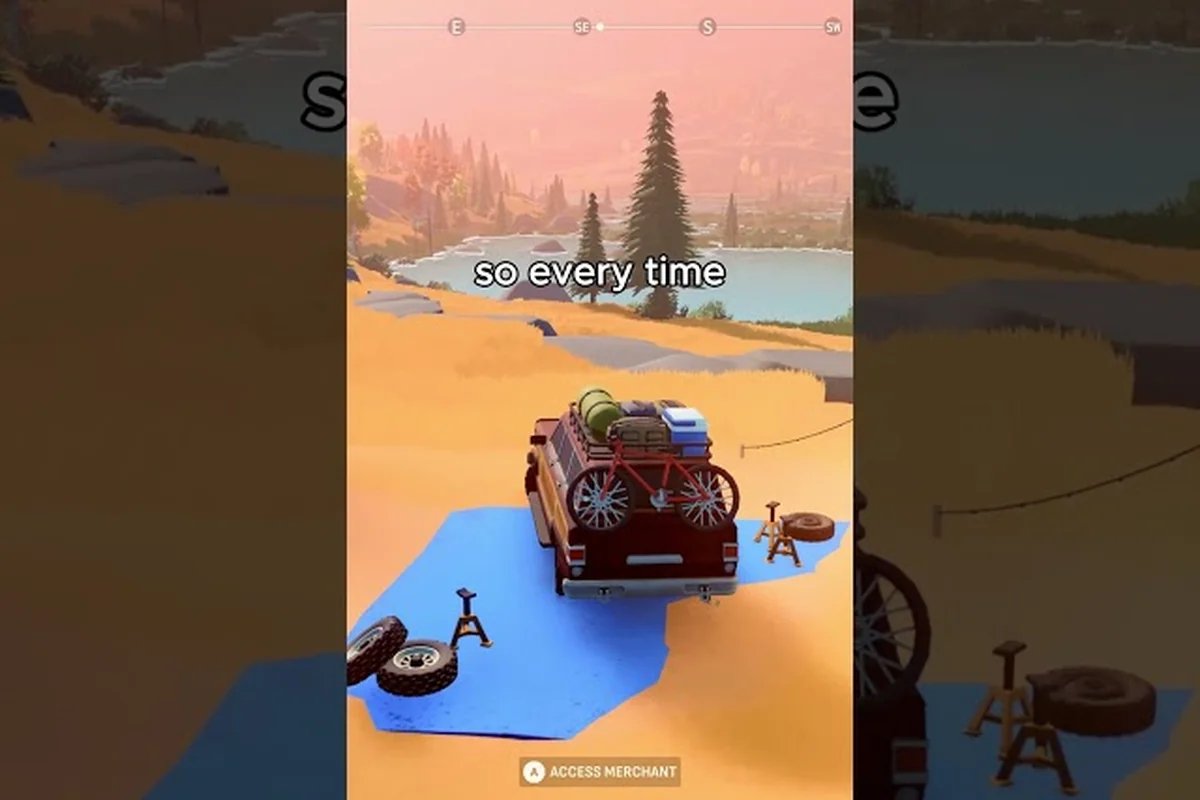
Over the Hill All Tools: Winch, Planks & Repair Kits
Break down every Over the Hill all tools option — how the winch pulls you free, when planks bridge gaps, and which repair kits keep your rig rolling.
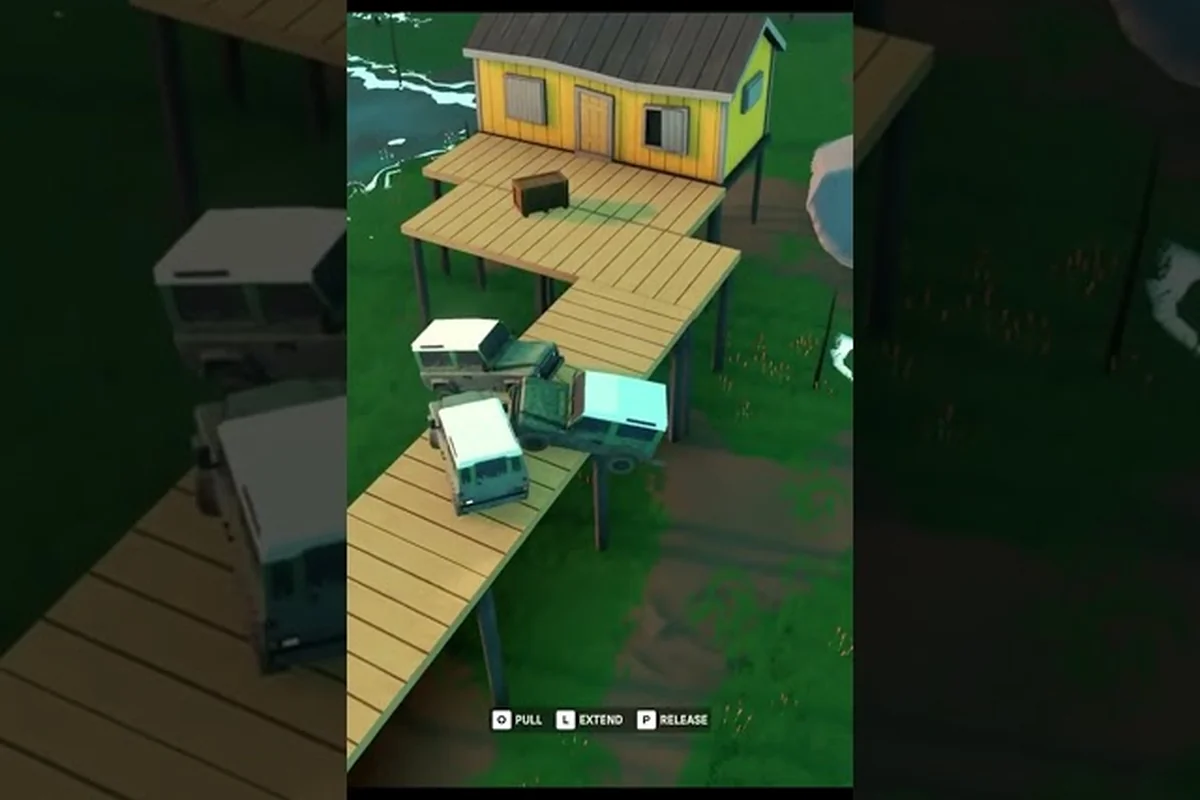
Over the Hill Best Tool Loadout for Tough Trails
Build the Over the Hill best tool loadout for nasty terrain — recover submerged vehicles, tow stranded rides, and chase the Close Call achievement on every trail.
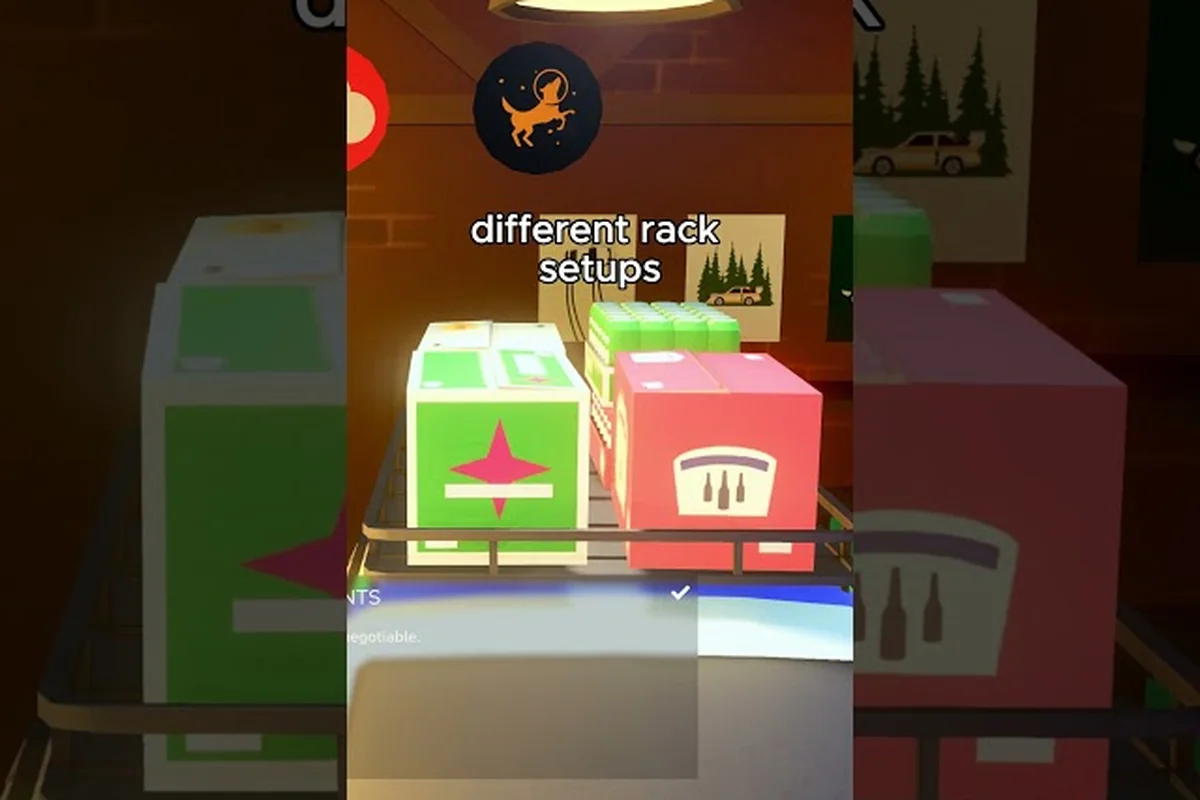
Over the Hill Merchants Guide: What to Buy First
Find every merchant in Over the Hill and learn which equipment, spare parts, and recovery tools to buy first so your off-road rig is ready for any biome.
All Articles
Over the Hill Upgrades Guide: Best Parts & Priority
Plan the Over the Hill upgrades guide with smart pebble farming, a clear engine and suspension priority, and how to respec without wasting late-game currency.

Over the Hill Camping Guide: Camp, Cassette & Costs
Set up camp in Over the Hill with this guide — how the cassette player and music work, which weather tools help, and what upgrades actually cost at the campfire.
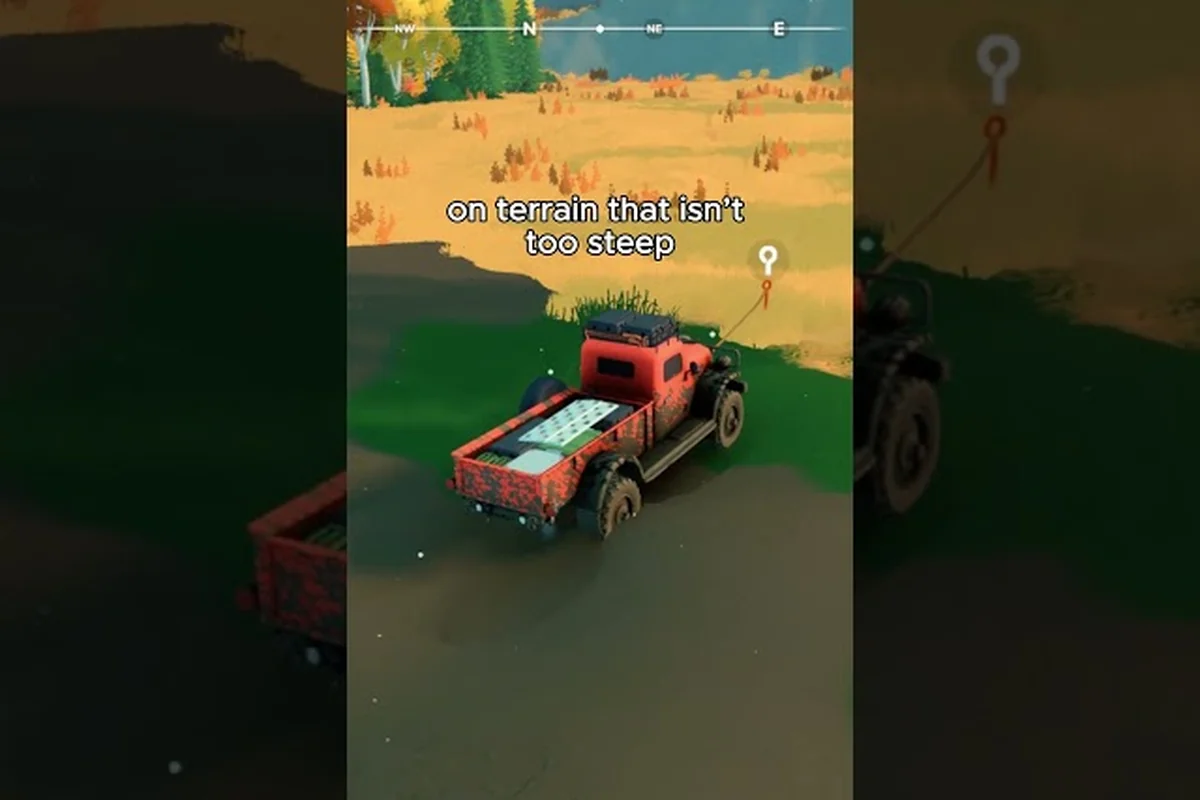
Over the Hill Tool Unlocks: Range, Tuning & Cosmetics
Unlock every Over the Hill tool with this guide — winch range upgrades, vehicle tuning parts, and how to grab every cosmetic reward from the merch stops.